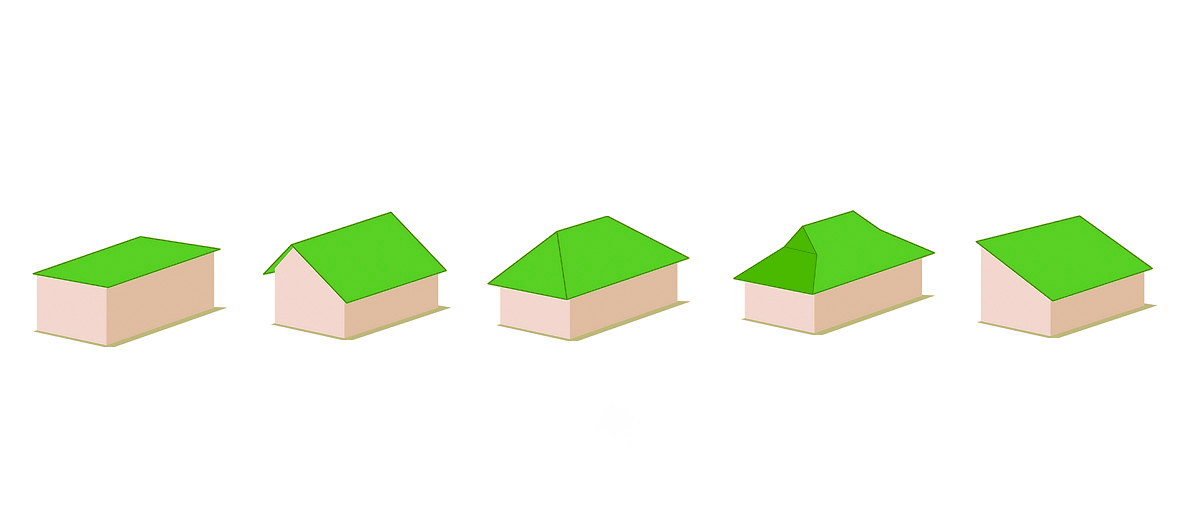
Your home’s roof is more than just a protective layer; it significantly impacts the overall aesthetics and functionality. The shape you choose will influence the style of your house, how well it performs in your climate, and even your budget.
This guide explores the most popular roof shapes, outlining their advantages and disadvantages. We’ll also discuss the types of buildings where these shapes are commonly found. By understanding these factors, you can make an informed decision when selecting the perfect roof shape for your home.
Understanding Common Roof Shapes
Gable Roof
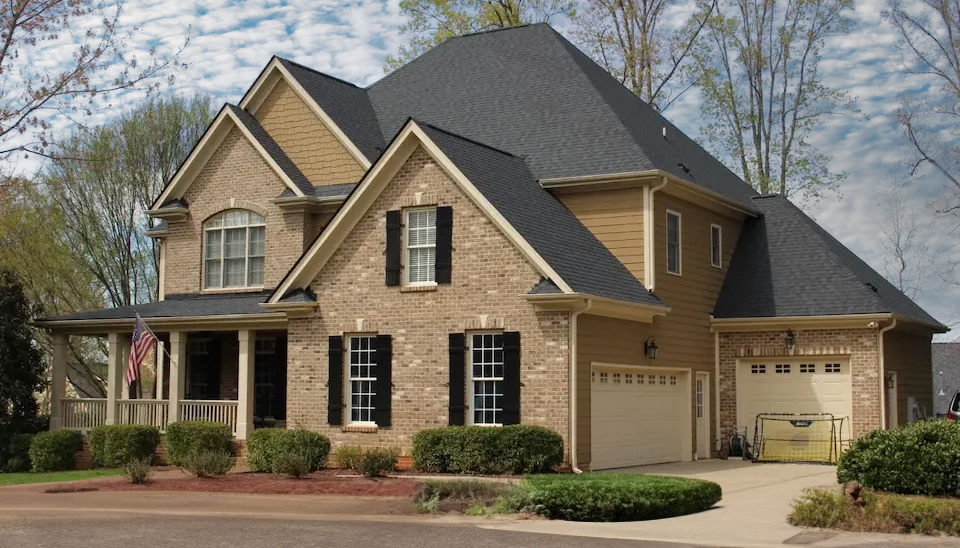
The gable roof is a timeless and versatile design featuring two sloping sides that meet at a ridge.
- Pros:
- Simple design, easy to construct and maintain.
- Excellent drainage due to the sloped sides.
- Provides good ventilation with proper soffit installation.
- Affordable option compared to more complex shapes.
- Cons:
- Can be susceptible to high winds in certain areas.
- Limited attic space compared to some other shapes.
- Used in: Single-family homes, bungalows, cottages.
Hip Roof
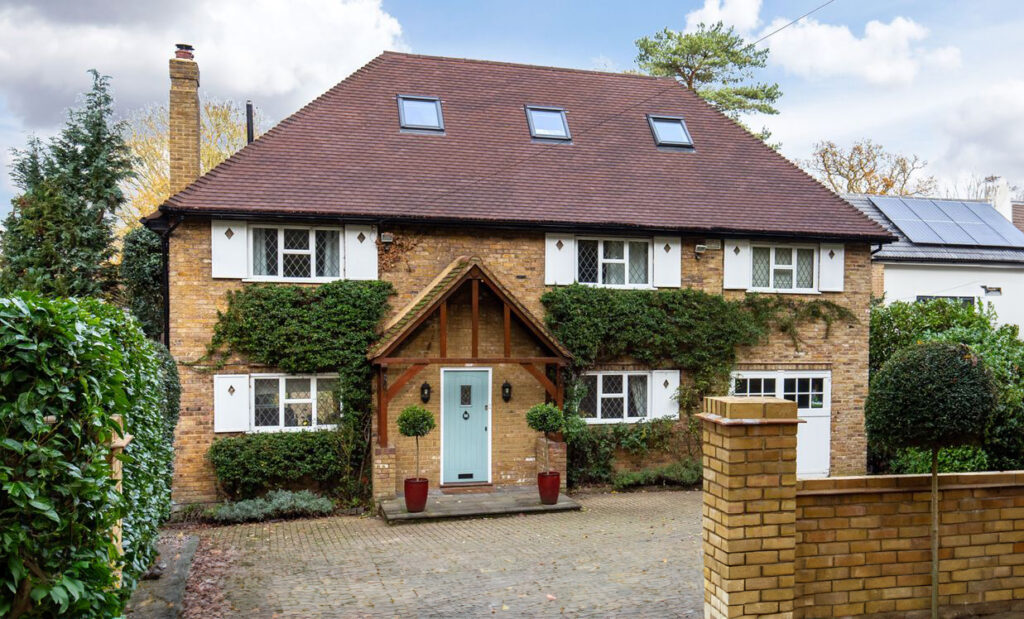
The hip roof features four sloping sides that meet at a point at the top, offering a pyramid-like shape.
- Pros:
- Provides superior stability in high winds and heavy snowfall due to its balanced design.
- Efficiently sheds water from all sides.
- Offers a more contemporary aesthetic compared to gable roofs.
- Cons:
- More complex design and construction than gable roofs, potentially more expensive.
- Less attic space compared to gable roofs with the same footprint.
- Used in: Ranch-style homes, bungalows, some contemporary houses.
Gambrel Roof
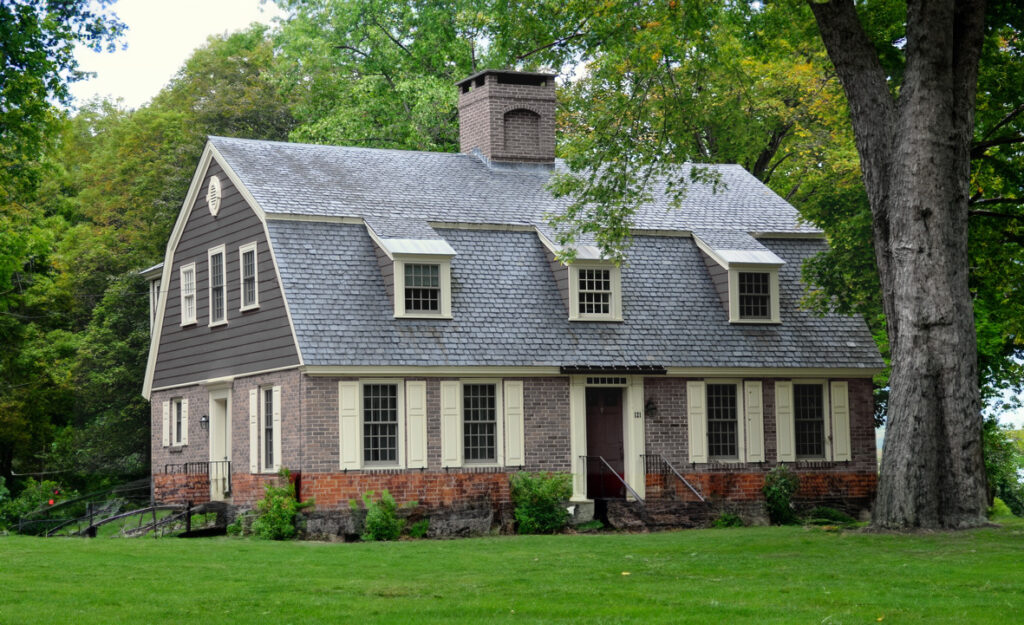
The gambrel roof is a variation of the gable roof with a distinct double slope on each side. The lower slope is steeper, offering additional headroom, while the upper slope is gentler.
- Pros:
- Provides ample attic space due to the double-sloped design.
- Well-suited for colder climates due to the steeper lower slope that sheds snow effectively.
- Offers a unique and historic aesthetic.
- Cons:
- More complex design and construction than gable roofs.
- May not be suitable for all architectural styles.
- Used in: Barns, Dutch Colonial homes, some farmhouses.
Flat Roof
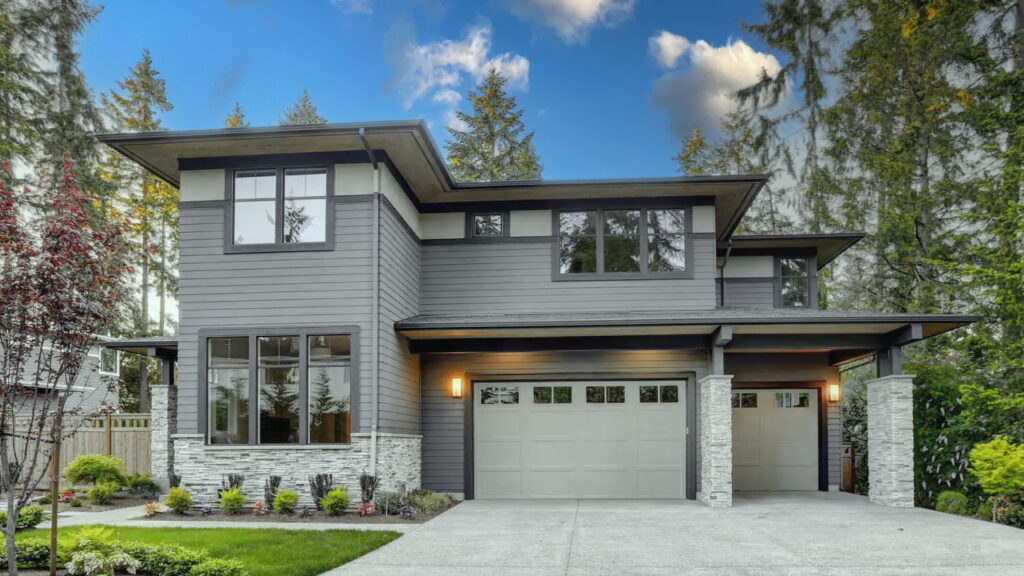
Flat roofs have a minimal pitch, creating a nearly level surface.
- Pros:
- Ideal for creating rooftop decks or gardens.
- Simpler construction in some cases, potentially more affordable for initial installation.
- Cons:
- Requires a meticulous drainage system to prevent water pooling and leaks.
- Not suitable for areas with heavy snowfall due to weight accumulation.
- Limited to no attic space.
- Used in: Commercial buildings, contemporary houses, some multi-unit dwellings.
A-Frame Roof
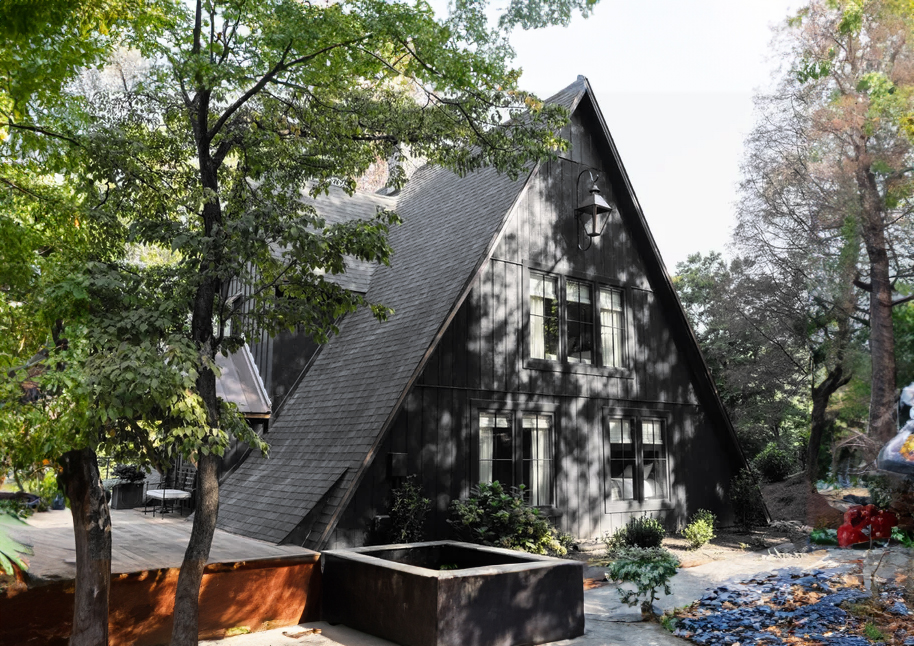
The A-frame roof is a simple, triangular design formed by two sloping sides that meet at a ridge at the top.
- Pros:
- Very simple and affordable design, ideal for cabins and tiny homes.
- Efficient water drainage due to the steep slopes.
- Creates a spacious and open feel on the interior.
- Cons:
- Limited to no attic space.
- May not be suitable for colder climates with heavy snowfall due to the accumulation on the steep slopes.
- Used in: Cabins, chalets, some modern tiny homes.
Mansard Roof
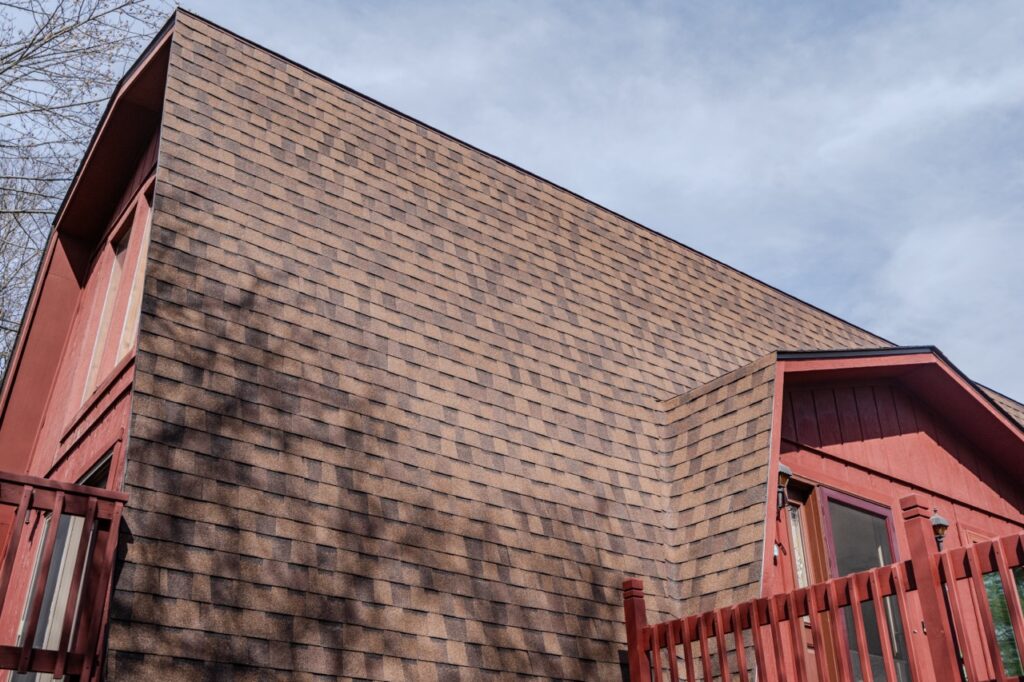
The mansard roof is a distinctive and elegant design featuring four sloping sides. The lower slopes are steeper and curved slightly inwards, while the upper slopes are gentler.
- Pros:
- Provides a luxurious and historic aesthetic, often seen in French chateaus and Victorian mansions.
- Can offer additional attic space due to the steeper lower slopes.
- Cons:
- Most complex and expensive roof design due to the intricate construction.
- May not be suitable for all climates, especially those with heavy snowfall.
- Used in: Second Empire style homes, French chateaus, some Victorian mansions.
Butterfly Roof
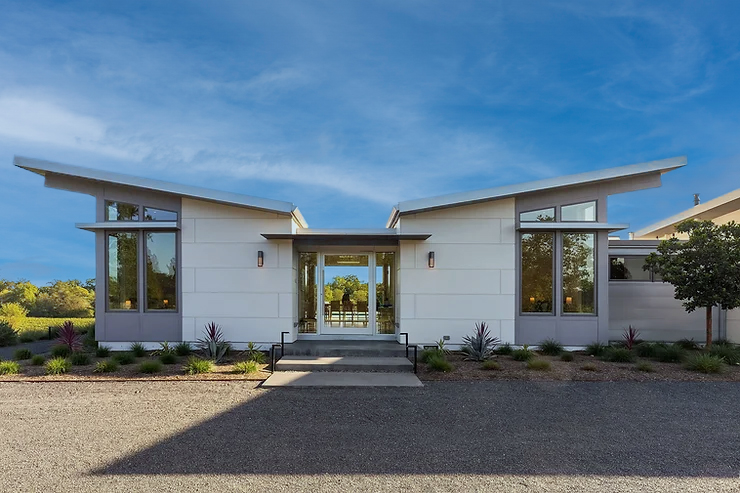
The butterfly roof features two opposing sides that slope down from a central high point, resembling a butterfly’s wings.
- Pros:
- Creates a modern and visually striking aesthetic.
- Offers excellent drainage on both sides.
- Can maximize natural light in the interior space.
- Cons:
- Complex design and construction, requiring additional support beams.
- May not be suitable for areas with heavy snowfall
- Used in: Modern houses, some commercial buildings, open-concept spaces.
Shed Roof
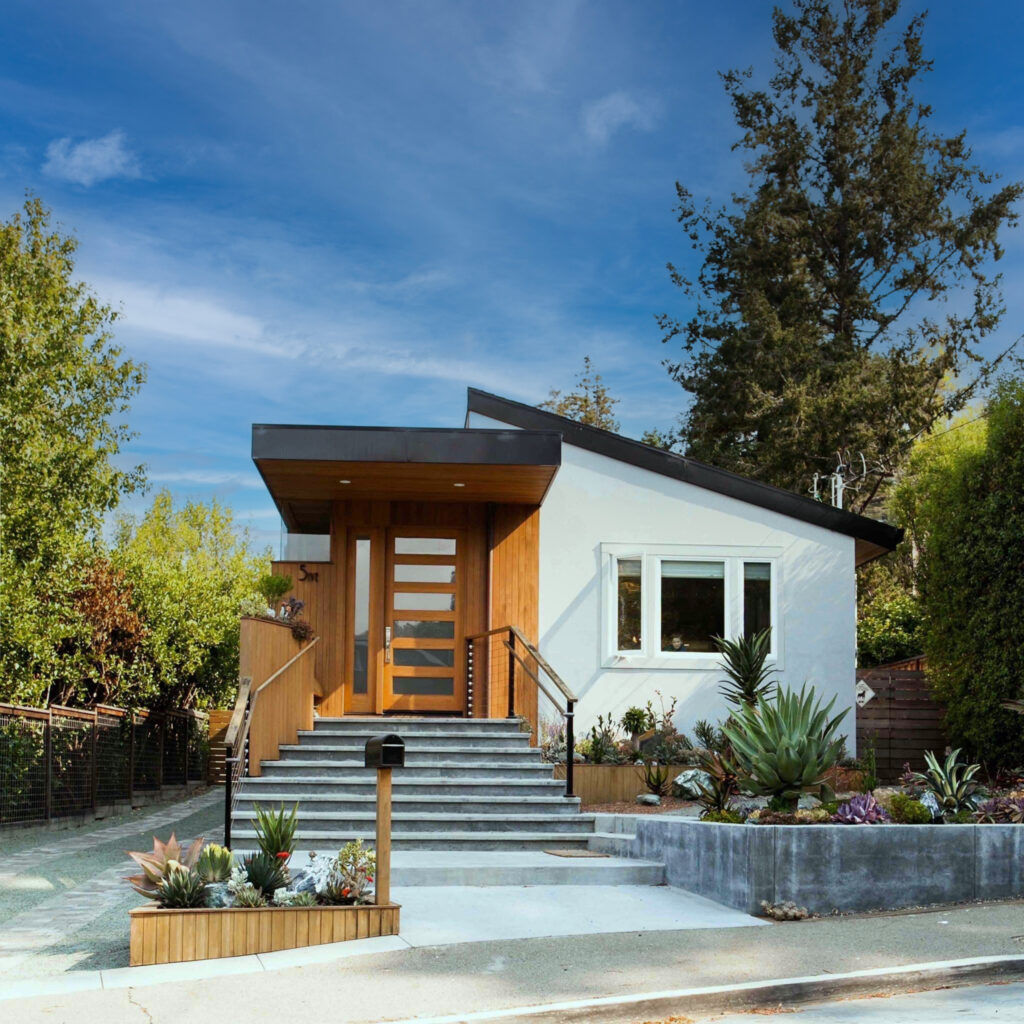
The shed roof features a single sloping surface that drains water in one direction.
- Pros:
- Simplest and most affordable roof design to construct.
- Excellent drainage due to the single slope.
- Ideal for garages, sheds, and other outbuildings.
- Cons:
- Limited to no attic space.
- May not be aesthetically pleasing for all styles of homes.
- Used in: Garages, sheds, carports, some modern houses.
Saltbox Roof
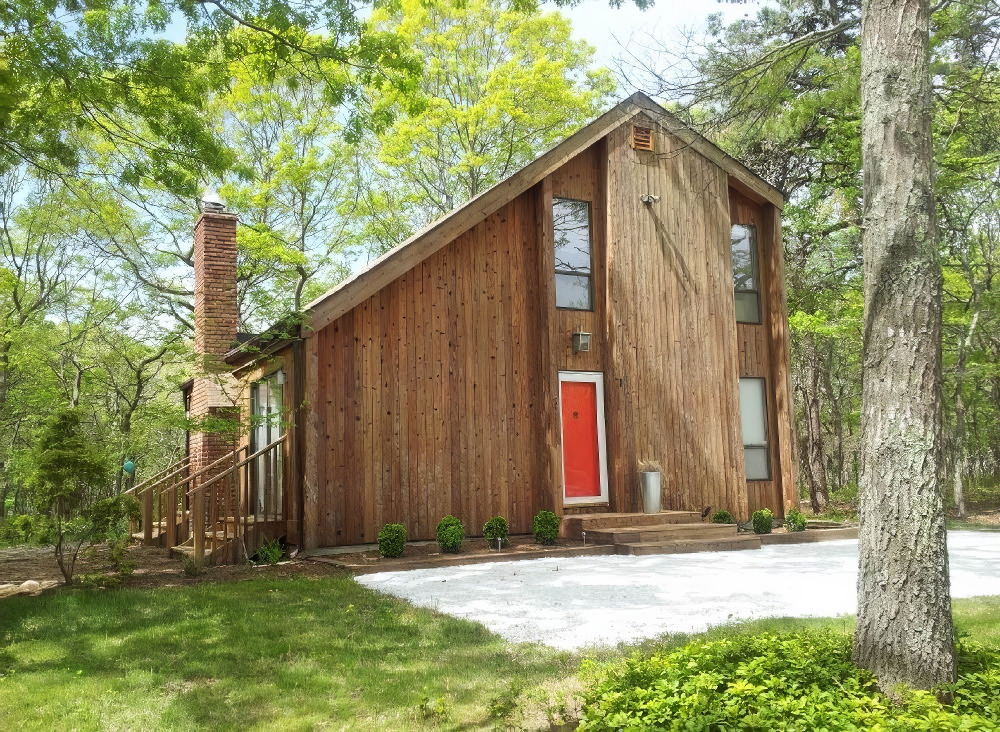
The saltbox roof is an asymmetrical gable roof featuring one long, shallow slope on one side and a shorter, steeper slope on the other.
- Pros:
- Offers a classic New England aesthetic, often seen in colonial homes.
- Provides good headroom on the side with the steeper slope.
- Cons:
- Drainage considerations for the lower, steeper slope to prevent pooling.
- May not be suitable for all architectural styles.
- Used in: Colonial homes, Cape Cod houses, some saltbox-style cottages.
Selecting the Right Roof Shape for Your Needs
When choosing a roof shape for your home, consider these key factors:
- Climate: Consider your local weather patterns. Gable and hip roofs are well-suited for areas with high winds and snow. Gambrel roofs excel in snowy climates. Flat roofs may not be ideal for heavy snowfall but can be functional in drier regions.
- Architectural Style: The roof shape should complement the overall design of your home. Gable roofs suit traditional styles, while hip roofs offer a more contemporary look. Mansard roofs are perfect for Second Empire or Victorian homes, and butterfly roofs complement modern architecture.
- Budget: Simpler shapes like gable, shed, and hip roofs are generally more affordable to construct than complex designs like mansard or cruck roofs.
- Attic Space Needs: Consider how much attic space you require. Gambrel and saltbox roofs offer the most headroom, while flat roofs and A-frame roofs have minimal to no attic space.