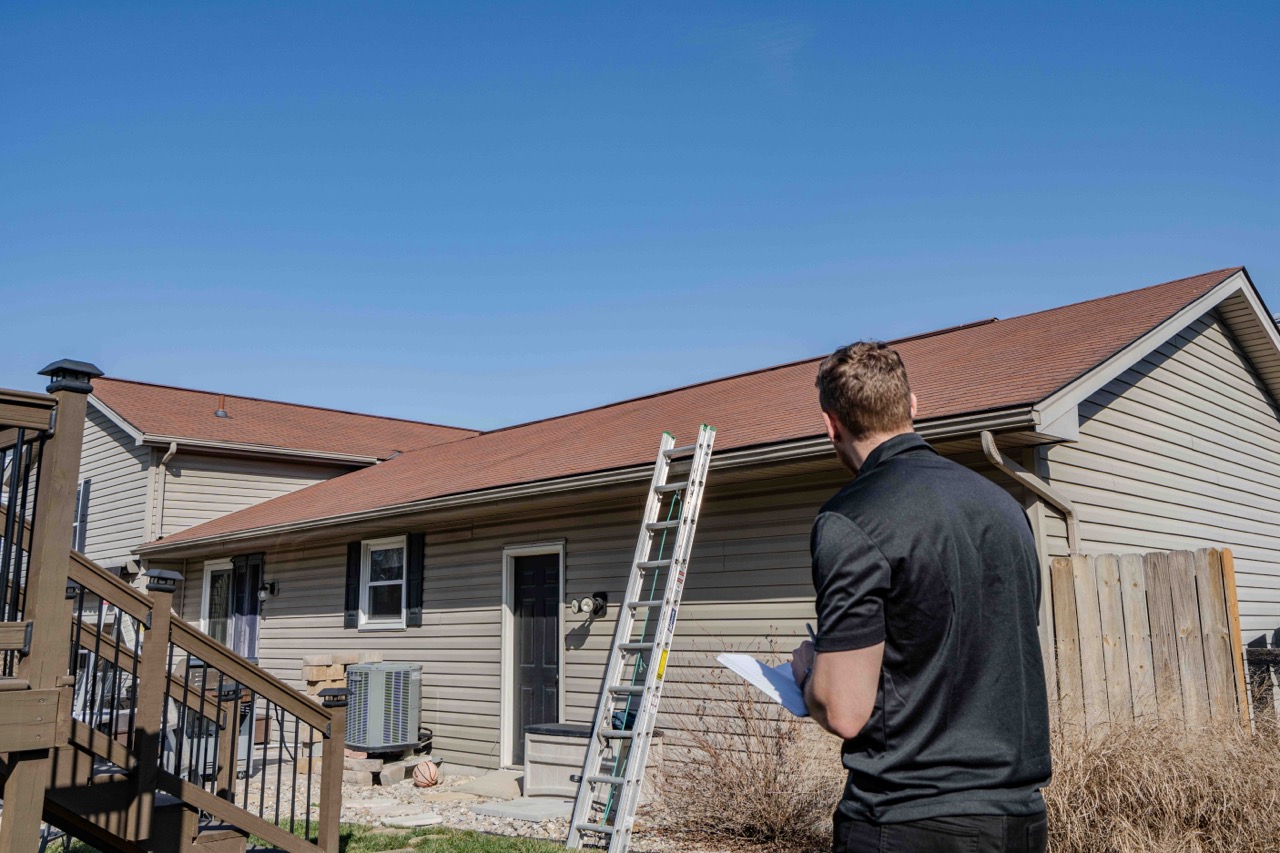
Homeowners insurance is a crucial investment that protects your property from unexpected events like fires, storms, and theft. While it typically covers various aspects of your home, understanding the specifics of roofing coverage is essential, especially given the recent shifts in the industry.
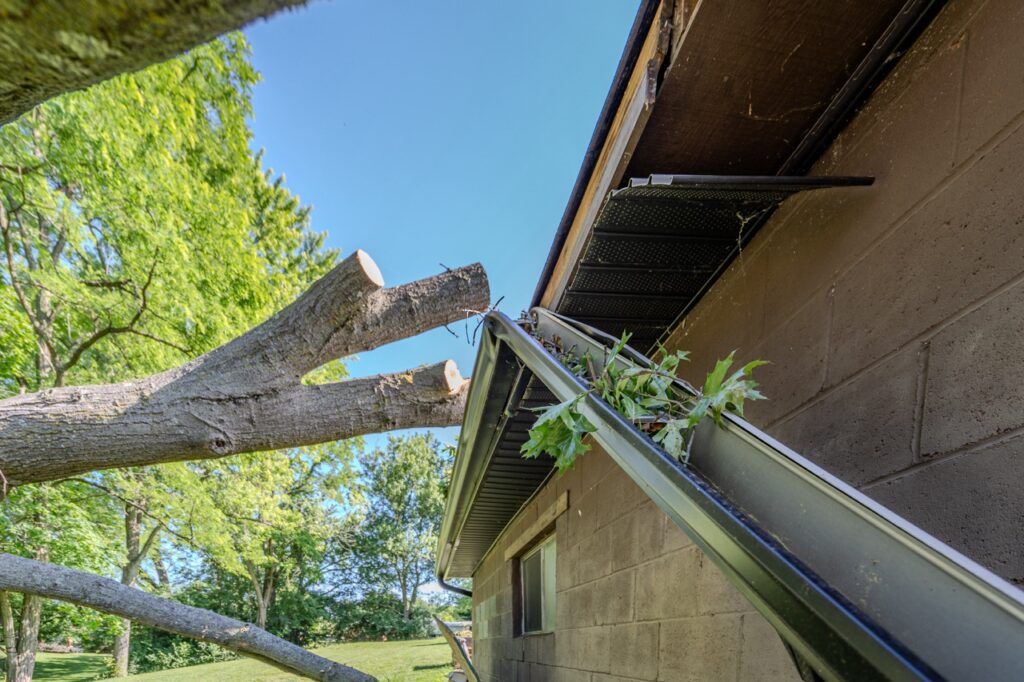
Typical Homeowners Insurance Coverage
Most homeowners insurance policies include coverage for:
- Dwelling: The structure of your home, including the roof, walls, and foundation.
- Other structures: Detached buildings like garages, sheds, and fences.
- Personal property: Belongings inside your home, such as furniture, electronics, and clothing.
- Loss of use: Additional living expenses if your home becomes uninhabitable due to a covered event.
- Liability: Coverage for bodily injury or property damage caused by you or your family.
Roofing Coverage: A Focus on Depreciation
One of the most critical aspects of homeowners insurance is roofing coverage. In the past, insurance companies often paid for the full cost of replacing a damaged roof, regardless of its age. This was known as Actual Cash Value (ACV). However, due to rising claims and the increasing sophistication of roofing contractors, many insurers are transitioning to Depreciated Value.
Depreciated Value means that the insurance company pays for the replacement cost minus the depreciation of the roof over time. This can significantly reduce the amount you receive in a claim. For example, if your roof is 10 years old and has a 20-year lifespan, the insurance company may only cover 50% of the replacement cost.
The Impact of Rising Claims
The shift towards Depreciated Value is largely driven by an increase in claims over the past few years. Natural disasters like hurricanes, wildfires, and hailstorms have caused widespread damage, leading to higher insurance payouts. Additionally, some roofing contractors have become adept at convincing homeowners to file exaggerated or fraudulent claims.
To mitigate these risks, insurance companies are taking several steps:
- Limiting Coverage: Some insurers are now offering only partial coverage for roofs that exceed a certain age. For example, they may only cover 50% of the replacement cost for a roof that is 15 years old or older.
- Sending Notices: Insurance companies are sending letters to homeowners when their roofs reach a specific age, urging them to replace the roof before a certain deadline. Failure to comply may result in coverage being dropped.
Understanding the Claims Process
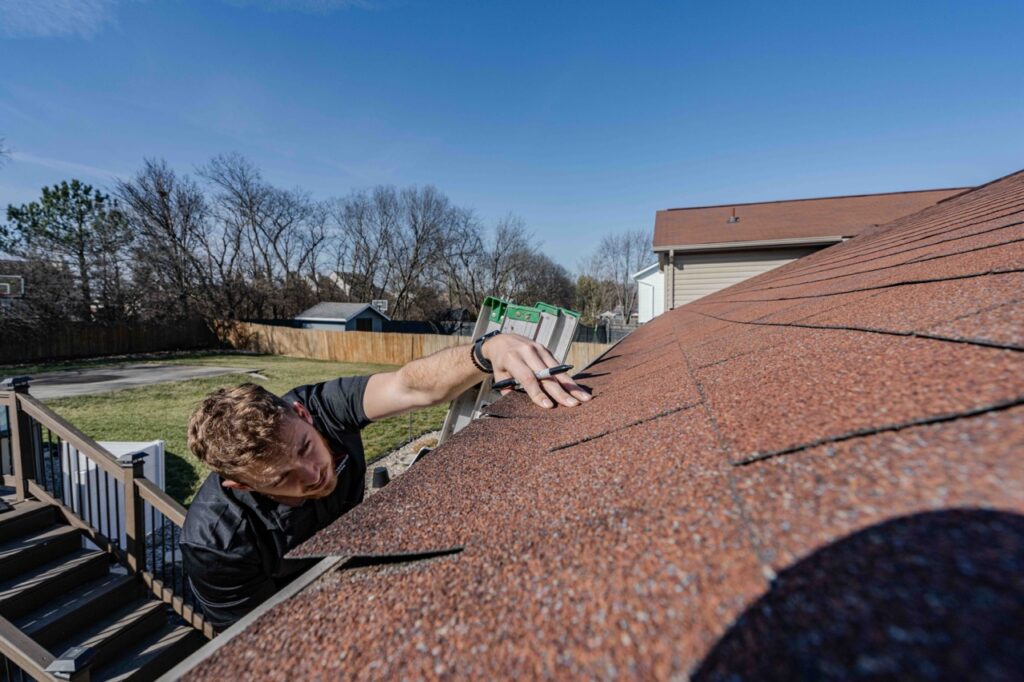
If your roof is damaged, here’s a general outline of the claims process:
- Contact Your Insurance Company: Notify your insurer as soon as possible.
- Document the Damage: Take photos and videos of the damage.
- Inspect the Roof: Your insurance company may send an adjuster to inspect the roof.
- File a Claim: Submit the necessary paperwork and documentation.
- Receive a Settlement: The insurance company will assess the damage and determine the amount you are owed.
A Tip for Getting the Best Deal
When seeking quotes from roofing contractors, it’s essential to avoid mentioning that you have an insurance claim. This information can inflate prices as contractors may attempt to capitalize on the potential for higher payouts. Instead, request quotes based solely on the necessary repairs and materials. Once you’ve gathered multiple bids, you can inform the contractors about your insurance coverage and negotiate a fair price.
Additional Considerations
- Roof Materials: The materials used for your roof can impact your insurance premiums. Some materials, like impact-resistant shingles, may qualify for discounts.
- Regular Maintenance: Proper roof maintenance, such as regular inspections and cleaning, can help prevent damage and reduce the risk of claims.
- Policy Review: Periodically review your homeowners insurance policy to ensure it adequately covers your needs. Consider increasing your coverage if your home’s value has appreciated.
- Understanding Deductibles: Your homeowners insurance policy will have a deductible, which is the amount you must pay out-of-pocket before your insurance coverage kicks in. Understanding your deductible and how it applies to roofing claims is essential.
- Special Endorsements: For additional protection, consider purchasing endorsements or riders that specifically cover certain types of roof damage, such as mold or water damage.
- Working with a Public Adjuster: If you’re having trouble dealing with your insurance company, consider hiring a public adjuster. These professionals can help you navigate the claims process and ensure you receive a fair settlement.
By understanding the nuances of roofing coverage and taking proactive steps, you can better protect your home and minimize the financial impact of unexpected events.